


The Symbiotic Alliance Between Sun and Earth: How Agrivoltaics is Transforming the Countryside into a Biodiversity Haven
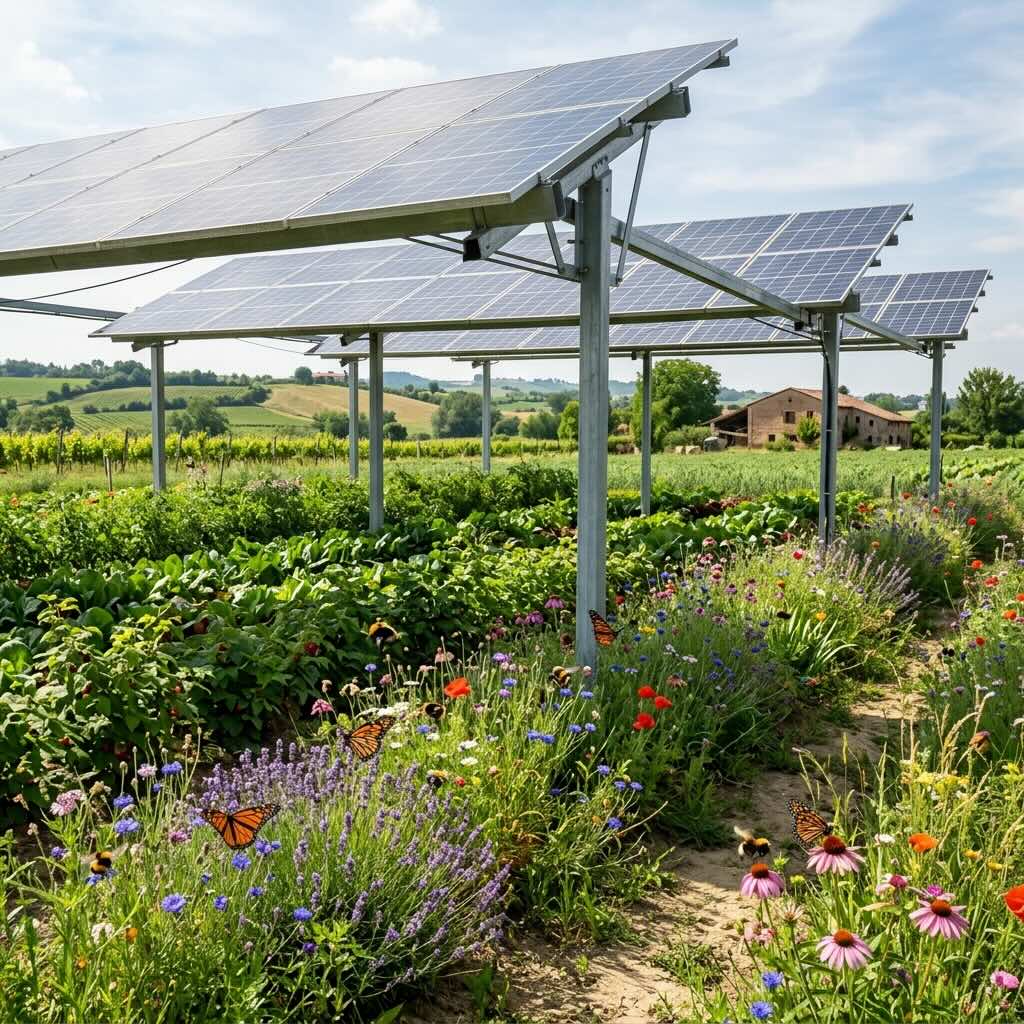
For decades, the relationship between energy infrastructure and the rural landscape has been framed through the lens of conflict. The installation of early ground-mounted photovoltaic modules was perceived as an open wound on the land—a rigid, industrial intrusion that stripped fertile soil from agriculture, dried out the ground, and irreversibly disrupted the visual and ecological continuity of natural environments. The imperative to produce clean energy seemed stubbornly at odds with protecting food supplies and preserving biodiversity. Today, however, the convergence of agronomic sciences and transition engineering is forging a radically different paradigm, where technology no longer aggressively overlays itself onto nature, but adapts to its laws to become a vital ally. Next-generation agrivoltaics is proving that generating electricity from the sun and cultivating the earth are not opposing forces, but complementary pieces of a single ecological mosaic capable of regenerating soils, protecting wildlife, and safeguarding food security in the face of the climate crisis.
At the heart of this silent revolution lies the architecture of the new installations, designed to hover several meters above the ground and dynamically integrate with farming and grazing activities. Mounted on slender, adjustable structures, the solar panels cast a calibrated shade below that shifts constantly throughout the day, mimicking the natural protection provided by tree canopies. This technological canopy tempers extreme temperature swings and filters direct solar radiation during scorching summer months, creating a mild microclimate that shields the land from sun-scorch and desiccation. The benefit to the soil is immediate and profound: reduced exposure to relentless sunlight lowers water evapotranspiration by up to thirty percent, maintaining consistent moisture levels in the topsoil. In regions historically threatened by desertification, this solar shelter translates to a dramatic reduction in irrigation demands, allowing the soil to retain its porous structure and preserve the complex network of bacteria, fungi, and microorganisms that form the lifeblood of agricultural fertility.
This microclimatic shield exerts an even deeper and more unexpected impact on protecting pollinating insects—creatures vital to the planet's ecological balance yet dramatically threatened by intensive pesticide use and habitat loss. Beneath the shelter of agrivoltaic arrays, peaceful sanctuaries emerge where the absence of aggressive chemical treatments and the presence of varied light and moisture levels foster the spontaneous growth of native wildflowers and nectar-rich plants. Wild bees, bumblebees, butterflies, and hoverflies find a safe haven and a steady food source throughout the summer season within these rows. The thriving pollinator population triggers a virtuous chain reaction that extends to neighboring farmland, enhancing crop yields and quality through an irreplaceable ecological service. Consequently, the agrivoltaic field evolves from a mere electricity factory into a true sanctuary of biodiversity, demonstrating how technology can restore to nature the spaces that industrialization once reclaimed.
The synergy between technological elements and farming practices also proves remarkably effective in actively defending crops against increasingly extreme and unpredictable weather events. The adjustable panel structures can tilt rapidly to serve as protective shields against sudden hail, late frosts, driving winds, or torrential downpours that risk wiping out months of agricultural labor in a matter of hours. Delicate crops such as berries, leafy greens, and vineyards benefit immensely from this sheltered environment, preserving flavors, freshness, and organoleptic qualities that would otherwise be degraded by excessive heat stress. At the same same, a mutually beneficial mechanism unfolds: the vegetation growing underneath generates a natural evaporative cooling effect that lowers the operating temperature of the solar modules, boosting their performance and energy efficiency compared to panels installed on arid or paved surfaces.
What is emerging in next-generation agrivoltaic fields extends far beyond mere technical innovation, reaching into a profound cultural and philosophical dimension. This technology illuminates a new path forward—one where human ingenuity ceases to view nature as a resource to be exploited or an obstacle to be tamed, recognizing it instead as a partner in a spirit of reciprocity and respect. Rethinking energy production around soil health and the well-being of the living community means abandoning the logic of extraction in favor of stewardship. When technology aligns with the rhythms of the earth and serves life, the rural landscape reclaims its ancestral harmony, offering tangible proof that a sustainable, ethical, and prosperous future is already within reach—provided we are willing to view the planet through fresh eyes.
At the heart of this silent revolution lies the architecture of the new installations, designed to hover several meters above the ground and dynamically integrate with farming and grazing activities. Mounted on slender, adjustable structures, the solar panels cast a calibrated shade below that shifts constantly throughout the day, mimicking the natural protection provided by tree canopies. This technological canopy tempers extreme temperature swings and filters direct solar radiation during scorching summer months, creating a mild microclimate that shields the land from sun-scorch and desiccation. The benefit to the soil is immediate and profound: reduced exposure to relentless sunlight lowers water evapotranspiration by up to thirty percent, maintaining consistent moisture levels in the topsoil. In regions historically threatened by desertification, this solar shelter translates to a dramatic reduction in irrigation demands, allowing the soil to retain its porous structure and preserve the complex network of bacteria, fungi, and microorganisms that form the lifeblood of agricultural fertility.
This microclimatic shield exerts an even deeper and more unexpected impact on protecting pollinating insects—creatures vital to the planet's ecological balance yet dramatically threatened by intensive pesticide use and habitat loss. Beneath the shelter of agrivoltaic arrays, peaceful sanctuaries emerge where the absence of aggressive chemical treatments and the presence of varied light and moisture levels foster the spontaneous growth of native wildflowers and nectar-rich plants. Wild bees, bumblebees, butterflies, and hoverflies find a safe haven and a steady food source throughout the summer season within these rows. The thriving pollinator population triggers a virtuous chain reaction that extends to neighboring farmland, enhancing crop yields and quality through an irreplaceable ecological service. Consequently, the agrivoltaic field evolves from a mere electricity factory into a true sanctuary of biodiversity, demonstrating how technology can restore to nature the spaces that industrialization once reclaimed.
The synergy between technological elements and farming practices also proves remarkably effective in actively defending crops against increasingly extreme and unpredictable weather events. The adjustable panel structures can tilt rapidly to serve as protective shields against sudden hail, late frosts, driving winds, or torrential downpours that risk wiping out months of agricultural labor in a matter of hours. Delicate crops such as berries, leafy greens, and vineyards benefit immensely from this sheltered environment, preserving flavors, freshness, and organoleptic qualities that would otherwise be degraded by excessive heat stress. At the same same, a mutually beneficial mechanism unfolds: the vegetation growing underneath generates a natural evaporative cooling effect that lowers the operating temperature of the solar modules, boosting their performance and energy efficiency compared to panels installed on arid or paved surfaces.
What is emerging in next-generation agrivoltaic fields extends far beyond mere technical innovation, reaching into a profound cultural and philosophical dimension. This technology illuminates a new path forward—one where human ingenuity ceases to view nature as a resource to be exploited or an obstacle to be tamed, recognizing it instead as a partner in a spirit of reciprocity and respect. Rethinking energy production around soil health and the well-being of the living community means abandoning the logic of extraction in favor of stewardship. When technology aligns with the rhythms of the earth and serves life, the rural landscape reclaims its ancestral harmony, offering tangible proof that a sustainable, ethical, and prosperous future is already within reach—provided we are willing to view the planet through fresh eyes.