


The Impact of Kindness on DNA: How Empathy and Benevolence Slow Down Cellular Aging
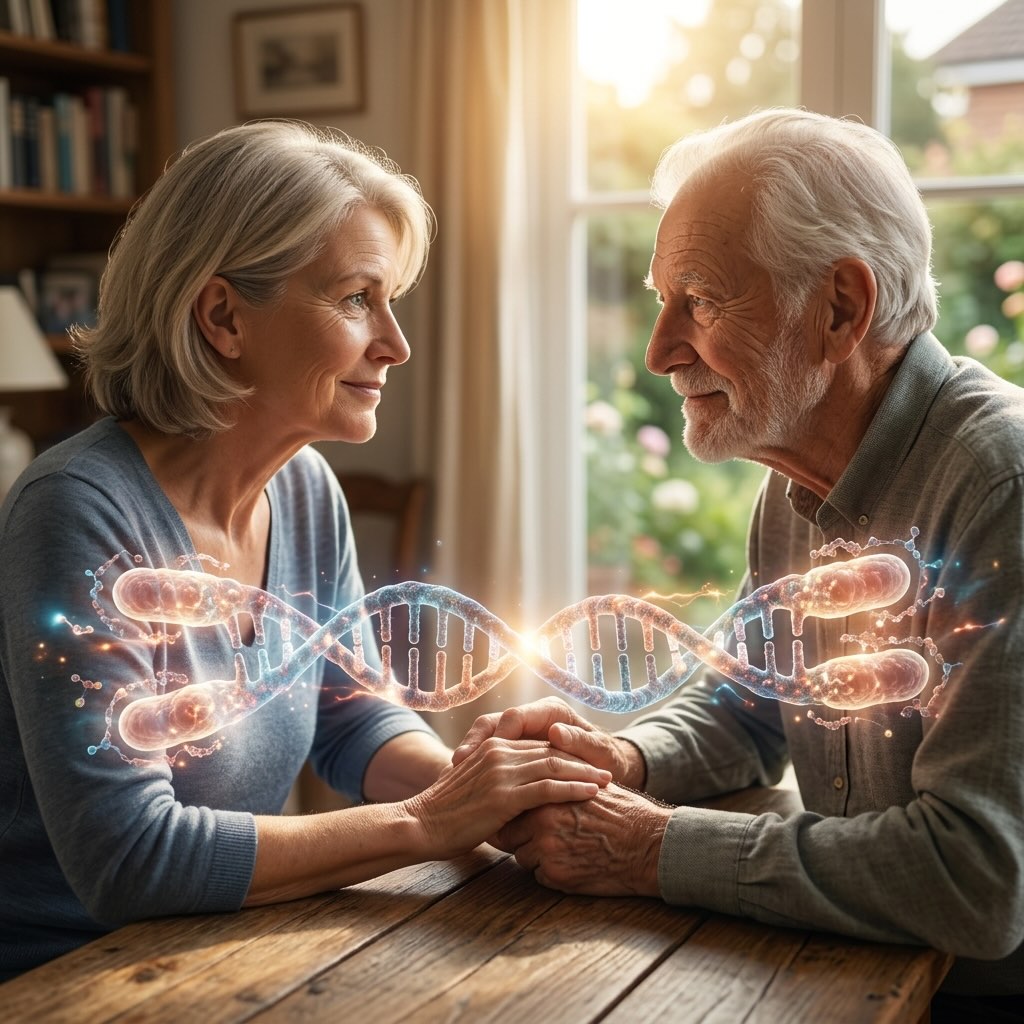
The conceptual barrier that for centuries separated human emotional state from biological structure is definitively dissolving. The most advanced investigations in epigenetics, psychoneuroendocrinology, and molecular biology demonstrate that mindsets oriented toward benevolence, intentional kindness, and compassion do not merely impact psychological well-being or social relationships, but are capable of modifying the very structure of our genetic material. Empathy and human warmth act as powerful modulators of cellular longevity, directly slowing down the biological processes of aging.
At the center of this extraordinary bridge between mind and matter lie telomeres—the protective structures situated at the ends of our chromosomes, often compared to the plastic caps at the ends of shoelaces. The fundamental role of telomeres is to preserve DNA integrity during every process of cell division. As the years pass and under the influence of chronic stress, telomeres progressively tend to shorten. When they become excessively short, the cell loses its ability to replicate correctly, enters a state of senescence, or undergoes programmed cell death, triggering underlying inflammatory processes and exposing the organism to premature aging and the development of chronic diseases.
New biological studies reveal that the speed of this genetic deterioration is not immutably fixed by chronological age, but is strongly influenced by an individual's prevailing emotional state and thought patterns. Systematic meditation practices focused on opening the heart, cultivating loving-kindness, and developing a benevolent gaze toward oneself and others significantly stimulate the activity of telomerase. This specific protein enzyme has the extraordinary ability to rebuild, repair, and maintain the length of telomeres, protecting the biological youth of blood cells and vital tissues.
From the perspective of cellular biochemistry, an attitude of benevolence disarms the genetic circuits of inflammation. While perceived threat, chronic hostility, and resentment activate the transcription of pro-inflammatory genes driven by nuclear factor NF-kB, the emotional state linked to empathy and deep connection with others suppresses these damaging signals. The reduction of low-grade systemic inflammation not only preserves telomeres but also protects the cardiovascular system, improves insulin sensitivity, and reduces oxidative stress at the mitochondrial level.
The discovery of these epigenetic mechanisms profoundly reconfigures the concepts of health and personal growth. It demonstrates that the biological nature of human beings is intimately structured for connection, cooperation, and kindness. Social isolation, hostility, and hyper-individualism are not merely psychologically painful conditions, but represent genuine biological risk factors that accelerate DNA decay and compromise immune and metabolic functions.
Kindness and compassion thus cease to be abstract moral or philosophical concepts and reveal themselves for what they truly are: survival and evolutionary strategies written into our biological code. Consciously cultivating benevolence toward oneself and the surrounding world becomes a rational act of holistic care—a daily practice capable of directly communicating with our cells, influencing the expression of our genes, and gifting us a longevity characterized by vitality, emotional balance, and profound meaning.
At the center of this extraordinary bridge between mind and matter lie telomeres—the protective structures situated at the ends of our chromosomes, often compared to the plastic caps at the ends of shoelaces. The fundamental role of telomeres is to preserve DNA integrity during every process of cell division. As the years pass and under the influence of chronic stress, telomeres progressively tend to shorten. When they become excessively short, the cell loses its ability to replicate correctly, enters a state of senescence, or undergoes programmed cell death, triggering underlying inflammatory processes and exposing the organism to premature aging and the development of chronic diseases.
New biological studies reveal that the speed of this genetic deterioration is not immutably fixed by chronological age, but is strongly influenced by an individual's prevailing emotional state and thought patterns. Systematic meditation practices focused on opening the heart, cultivating loving-kindness, and developing a benevolent gaze toward oneself and others significantly stimulate the activity of telomerase. This specific protein enzyme has the extraordinary ability to rebuild, repair, and maintain the length of telomeres, protecting the biological youth of blood cells and vital tissues.
From the perspective of cellular biochemistry, an attitude of benevolence disarms the genetic circuits of inflammation. While perceived threat, chronic hostility, and resentment activate the transcription of pro-inflammatory genes driven by nuclear factor NF-kB, the emotional state linked to empathy and deep connection with others suppresses these damaging signals. The reduction of low-grade systemic inflammation not only preserves telomeres but also protects the cardiovascular system, improves insulin sensitivity, and reduces oxidative stress at the mitochondrial level.
The discovery of these epigenetic mechanisms profoundly reconfigures the concepts of health and personal growth. It demonstrates that the biological nature of human beings is intimately structured for connection, cooperation, and kindness. Social isolation, hostility, and hyper-individualism are not merely psychologically painful conditions, but represent genuine biological risk factors that accelerate DNA decay and compromise immune and metabolic functions.
Kindness and compassion thus cease to be abstract moral or philosophical concepts and reveal themselves for what they truly are: survival and evolutionary strategies written into our biological code. Consciously cultivating benevolence toward oneself and the surrounding world becomes a rational act of holistic care—a daily practice capable of directly communicating with our cells, influencing the expression of our genes, and gifting us a longevity characterized by vitality, emotional balance, and profound meaning.